Budget Travel Europe 2026: How to See Europe on $70/Day
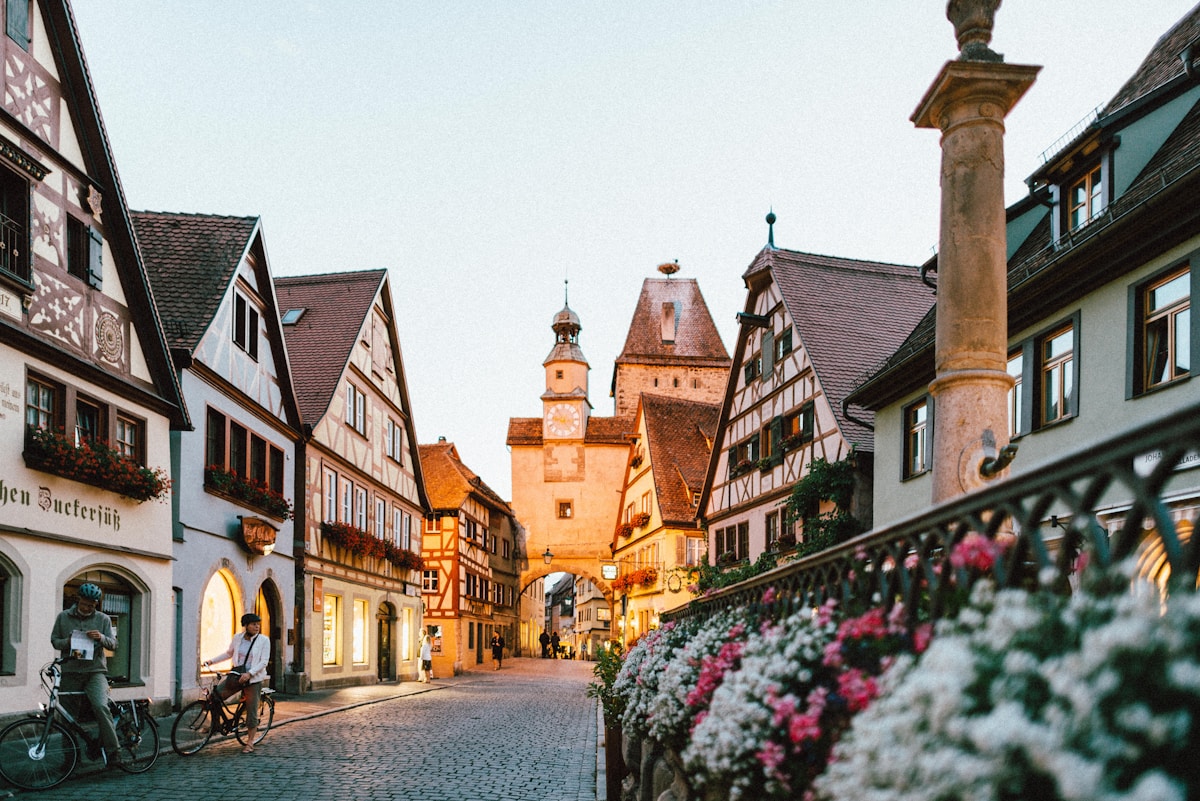
Europe has a reputation as an expensive travel destination, but that doesn't have to be true. With smart choices on where you go, when you fly, and how you eat, you can easily keep your daily costs around $70 — even less in Eastern and Southern Europe.
Daily Cost by Region
The biggest factor in your Europe budget is where you go. Scandinavia and Switzerland will cost twice as much as Poland, Portugal, or Greece. Here's a realistic daily breakdown including accommodation, food, local transport, and one attraction.
Getting There: Cheap Flights to Europe
Round-trip flights from New York or Boston to Lisbon or Dublin regularly drop below $400 in 2026. From the West Coast, $450–$550 is achievable with patience. The cheapest years in recent memory for transatlantic travel continue, thanks to increased capacity and competition from low-cost carriers like Norse Atlantic, Play, and Level.
For timing tips, read our guide on the cheapest times to fly to Europe in 2026. The short version: fly mid-week in March, April, October, or November.
Accommodation Strategy
Hostels in Eastern Europe cost $12–$20 per night for a dorm bed. In Western Europe expect $25–$40. Budget hotels (2-star or basic 3-star) run $40–$60 in cheaper countries and $70–$100 in expensive ones. Apartments via Booking.com are often cheaper than hotels in cities with tourist taxes.
Consider staying slightly outside the city center. A 15-minute metro ride can cut your accommodation cost in half. In Paris, staying in Montreuil instead of Le Marais saves $40–$60 a night. In Rome, choose neighborhoods like San Giovanni or Testaccio instead of the historic center.
Pro tip: Use FlixBus for intercity travel. It connects nearly every European city, costs a fraction of trains, and overnight buses save a night of accommodation. A Berlin-to-Prague ticket can be as low as $9.99 when booked early.
Food: Eating Well for Less
Europe's supermarkets are a budget traveler's secret weapon. A picnic lunch from Lidl or Aldi costs $3–$5. Bakeries in France and Italy sell fresh sandwiches for $4–$6. Lunch menus (menu del día in Spain, plat du jour in France) are half the price of dinner and often just as good.
Budget $10–$15 per day for food if you cook or buy supermarket meals, $15–$25 if you eat at budget restaurants. Avoid eating in tourist squares — walk two blocks away and prices drop by half.
Cheapest European Destinations in 2026
Poland remains Europe's best value destination. Krakow and Warsaw offer world-class museums, beautiful architecture, and $3 beers. Portugal's Porto and Lisbon are slightly more expensive but still cheap by Western European standards. Greece (outside Santorini/Mykonos) offers incredible value — Crete and the Peloponnese are both affordable and stunning.
The Balkans are even cheaper: Albania, North Macedonia, and Bosnia offer daily costs as low as $30–$40. For more on low-cost Asian destinations that compare favorably to Europe pricing, read our cheapest Asian destinations guide.
Money-Saving Tips That Actually Work
Walk everywhere you can. European cities are compact and walkable. Use city tourist cards only if you plan to visit 3+ paid attractions in a day — otherwise they're not worth it. Book train tickets in advance: a Paris-to-Barcelona train booked a week ahead costs $120; booked a month ahead costs $50.
Free walking tours exist in every major city. They run on tips — pay what you can ($5–$10 is fair). Museum free days are common: many national museums in London, Paris, and Rome are free on the first Sunday of each month.
Sample Two-Week Budget
When Things Go Wrong
Flight delays and cancellations are part of budget travel. European regulations (EU261) entitle you to compensation of up to €600 if your flight is delayed over 3 hours. Learn the full process in our flight delay compensation guide.
Share this: Copy link